
Fire Drills and Management Trainings
Ensuring Preparedness and Safety
Introduction:
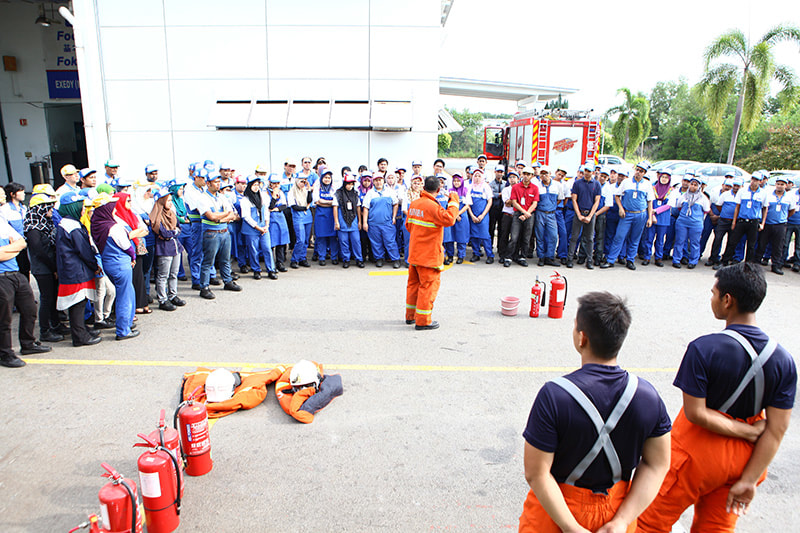
Fire drills and management trainings are essential components of a comprehensive fire safety program aimed at preparing individuals and organizations to effectively respond to fire emergencies. These drills and trainings simulate real-life scenarios to ensure that occupants know how to react swiftly and safely in the event of a fire.
Importance of Fire Drills and Management Trainings:
Fire drills and management trainings play a crucial role in:
– Emergency Preparedness: Familiarizing occupants with emergency procedures and evacuation routes.
– Risk Reduction: Minimizing the risk of injury and loss of life during fire incidents.
– Compliance: Meeting legal and regulatory requirements for fire safety training.
– Damage Mitigation: Preventing or minimizing property damage and business disruption.
– Building Confidence: Instilling confidence and readiness among occupants to respond effectively to emergencies.
Benefits and Advantages:
– Improved Response Time: Practicing fire drills helps individuals react quickly and efficiently during actual emergencies.
– Enhanced Safety Awareness: Increased familiarity with emergency procedures and protocols promotes a safety-conscious culture.
– Team Coordination: Fire drills facilitate coordination and communication among occupants and designated emergency response teams.
– Risk Identification: Identifying weaknesses or deficiencies in emergency plans and procedures allows for timely improvements.
– Peace of Mind: Regular fire drills and trainings provide reassurance and confidence in the ability to handle emergencies effectively.
Who Should Arrange:
Fire drills and management trainings should be arranged by:
– Building Owners/Managers: Responsible for ensuring the safety and well-being of occupants.
– Employers: Obligated to provide a safe work environment for employees.
– Educational Institutions: Required to conduct fire drills to prepare students and staff.
– Community Organizations: Promote fire safety awareness and preparedness among members.
– Industrial Sectors: Manufacturing plants, chemical facilities, and other industrial sectors should also arrange specialized fire drills and trainings tailored to their unique risks and challenges.
Types of Fire and Safety Drills and Management Trainings:
– Evacuation Drills: Simulate the orderly evacuation of occupants from buildings to designated assembly areas.
– Fire Extinguisher Training: Provide hands-on experience in using portable fire extinguishers to extinguish small fires.
– Emergency Response Team Training: Train designated personnel to fulfill specific roles and responsibilities during fire emergencies.
– Tabletop Exercises: Interactive discussions and scenario-based exercises to test emergency plans and decision-making processes.
– Fire Safety Workshops: Educational sessions covering topics such as fire prevention, detection, and evacuation procedures.
– Incident Command System (ICS) Training: Training personnel on the ICS structure and protocols for managing emergencies effectively.
– Hazardous Materials (HAZMAT) Response Training: Prepare personnel to handle hazardous materials incidents safely and effectively.
NFPA Codes:
NFPA codes relevant to fire drills and management trainings include NFPA 101: Life Safety Code, NFPA 1403: Standard on Live Fire Training Evolutions, and NFPA 1600: Standard on Disaster/Emergency Management and Business Continuity/Continuity of Operations Programs.
Other International Codes:
International standards such as ISO 22320: Societal Security – Emergency Management – Guidelines for Incident Management and NFPA 1300: Standard on Community Risk Assessment and Community Risk Reduction Plan Development are also relevant to fire safety and emergency preparedness.
Pakistan Building Codes Fire and Safety Provisions:
Pakistan’s building codes, such as the National Building Code of Pakistan (NBCP) and the Punjab Fire Prevention and Life Safety Measures Code, outline requirements for fire safety measures, including provisions for fire drills, emergency exits, fire detection systems, and evacuation procedures.
Why Choose NFPAP for Fire Drills and Management Trainings?
1. Expertise: NFPAP boasts a team of seasoned fire safety professionals with extensive experience in conducting drills and trainings tailored to various industries and environments.
2. Comprehensive Solutions: From evacuation drills to specialized management trainings, NFPAP offers a wide range of services to meet your organization’s specific needs and requirements.
3. NFPA Compliance: Our trainings adhere to NFPA codes and standards, ensuring the highest level of quality and regulatory compliance.
4. Customized Approach: We understand that every organization is unique, which is why we tailor our drills and trainings to address your facility’s specific challenges and vulnerabilities.
5. Community Impact: By choosing NFPAP, you not only prioritize the safety of your organization but also contribute to building a safer community through increased awareness and preparedness.
Choose NFPAP for your fire drills and management trainings, and ensure that your organization is prepared to handle fire emergencies with confidence and efficiency. Contact us today to learn more about our services and schedule a consultation with our expert team.