
Origins and Development of NFPA 72: National Fire Alarm and Signaling Code
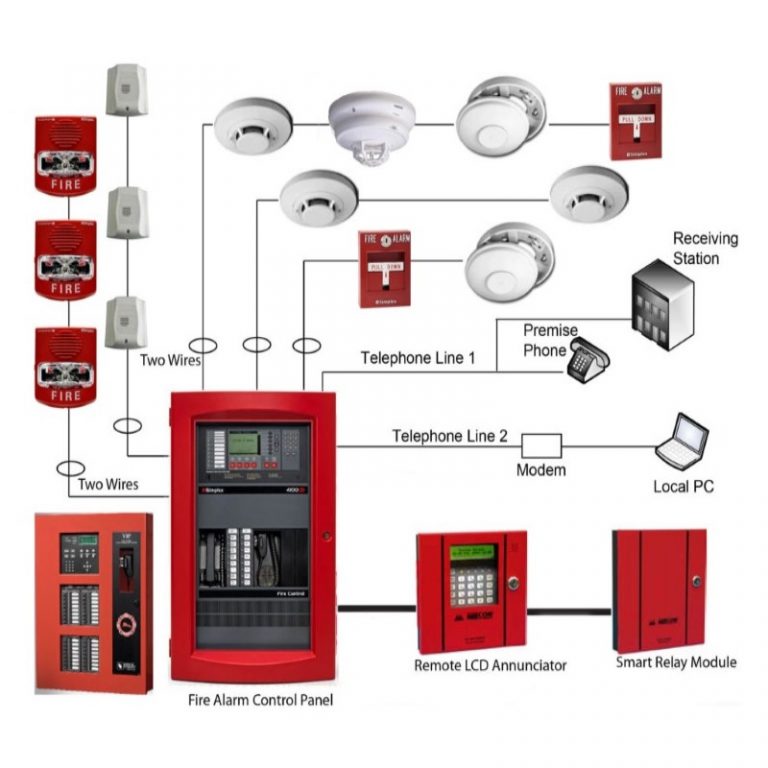
The NFPA 72, National Fire Alarm and Signaling Code, is a comprehensive standard for the installation, performance, inspection, testing, and maintenance of fire alarm systems and emergency communication systems. Here’s a concise and easy-to-understand overview of its origins, development, and significant milestones.
Origins
The NFPA 72 was prepared by various Technical Committees specializing in different aspects of fire alarm and signaling systems. These committees included experts in emergency communication systems, fundamentals of fire alarm systems, initiating devices, notification appliances, protected premises systems, public emergency reporting systems, supervising station systems, and testing and maintenance. The 2021 edition was released on August 26, 2021, and became effective on September 15, 2021. This edition superseded all previous versions and was approved as an American National Standard on the same date.
Historical Development
The evolution of NFPA’s signaling standards began in 1898 with the Committee on Thermo-Electric Fire Alarms. Significant milestones include:
- 1905: Publication of NBFU 71A, which laid down the rules for the construction and use of signaling systems for fire hazards.
- 1993: The first consolidated edition of the National Fire Alarm Code, integrating several older standards into NFPA 72.
Key Editions and Updates
1996 Edition:
- Addressed the Americans with Disabilities Act.
- Incorporated changes in software testing and fire modeling.
1999 Edition:

- Major organizational changes for user-friendliness.
- Introduction of a chapter on public fire reporting.
2002 Edition:
- Extensive editorial revision to comply with NFPA’s Manual of Style.
- Introduction of administrative chapters and technical chapters in a logical sequence.
2007 Edition:
- Technical revisions to integrate mass notification systems.
- Changes in smoke alarm requirements for residential applications.
2010 Edition:
- Expanded scope to include emergency communication systems.
- New chapters on emergency communications, circuits and pathways, and emergency control functions.
2013 Edition:
- Added a new chapter on Documentation.
- Extensive usability changes, including reorganization of inspection and testing tables.
2016 Edition:
- Introduction of Class N for Ethernet infrastructures.
- Added guidelines for mass notification systems in Annex G.
2019 Edition:
- Revisions for fire service access elevators and occupant evacuation elevators.
- Incorporation of carbon monoxide detection requirements from NFPA 720.
2022 Edition:
- New Chapter 11 on Cybersecurity.
- Annex I introducing a color-coded tagging program for system conditions.
- Updates on pathway survivability and remote access for fire alarm systems.
Major Technical Revisions
Pathway Survivability:
- Defines levels of survivability for conducting means between fire alarm components.
Remote Access:
- Allows for remote operations like resetting and silencing of fire alarm systems.
Detector Technology:
- Transition from photoelectric and ionization detectors to newer single- or multiple-criteria detectors.
Conclusion
The NFPA 72 has evolved significantly over more than a century to address advancements in technology, safety standards, and user needs. Each edition builds upon the previous ones, incorporating technical updates and reorganization for better usability. For the latest updates and detailed information, you can visit the NFPA’s website at www.nfpa.org.
Call to Action
To ensure compliance and stay updated with the latest fire alarm and signaling system standards, consider subscribing to NFPA updates and participating in relevant technical committees. Your involvement helps enhance safety and protection for all.